

This page may contain one or more affiliate links, which means that if you purchase a product through that link, I may receive compensation. The links will be identified with the text "affiliate link". Click to learn more.
Early in his career, artist J Scott Campbell was hit or miss with his comic books. His Gen-13 comic was popular but still was just another superhero team. Then came along Danger Girl, something that was closer to reality and brought a breath of fresh air to comic books. A cross between Indiana Jones and James Bond comes a comic with three sexy female spies that go on adventures together, an appeal that reminds us of Charlie’s Angels. What makes Danger Girl so memorable, however, is its humorous tone, continuous flow, and short run of seven issues, a wise decision that kept it from spoiling over time. The reason for the great story is Andy Hartnell, who wrote the scripts.
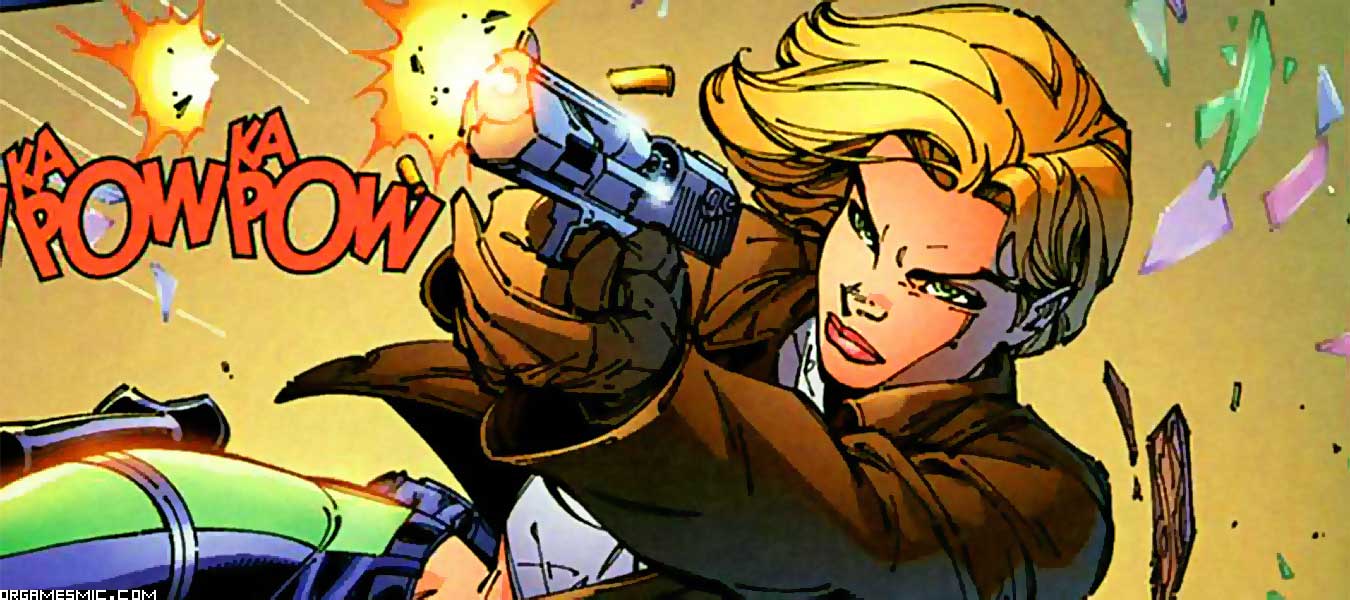
Danger Girl starts off by introducing Abbey Chase, a sort of outlaw who is familiar with ancient artifacts and is an expert marksman as well. (Sounds like Lara Croft, right?) Abbey is recruited into a top-secret spy organization called Danger Girl. It is led by a man, Deuce, who is basically the equivalent of James Bond if he were older and retired. Her colleagues include an Australian whip-cracker named Sydney Savage. There is also Natalia Kassle, who is good with knives, and Silicon Valerie, who is good with electronics. Each one has their quirks.
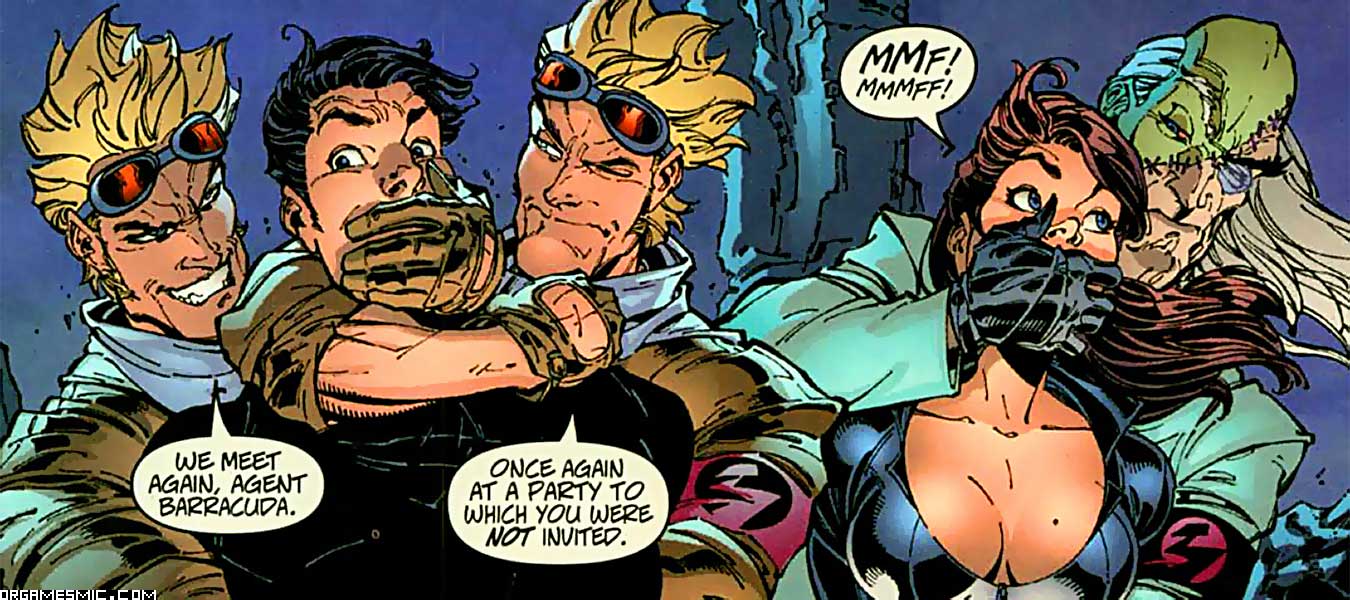
The enemy in Danger Girl is The Hammer, which is like Hydra in Marvel Comics. J Scott Campbell was a GI Joe fan, and the influence here can be seen. Later in the story, we discover that Natalia was actually an agent for Hammer.
There is also a Danger Girl PlayStation game, which helps paint the picture of how influential comic books were at the time. The game has 3D-rendered cut scenes, and we get to hear Abbey Chase’s voice for the first time. This is what some people might call a fetch quest type of game. It also has a hint of Tomb Raider, a game that was popular enough that other games were using it as a template at the time. What is crazy, though, is that the Danger Girl miniseries wasn’t even complete yet, but the video game was made so fast that it was advertised inside it.
Since the introduction of Danger Girl, it has proven to pass the test of time. Sequels, reboots, and crossovers are all signs of a healthy comic. Be sure to grab the original story (affiliate link) if you are even the least bit curious. My only complaint is that there are a bit too many panels of half-naked women to the point where it is uncomfortable. Even when they would wear a full-coverage dress, the outline of their figure would still be present.
The Artwork
If there is one good thing to say about Danger Girl, it is to say that J Scott Campbell was, in my opinion, at his prime with his artwork. This might sound ironic since he has now transcended doing comic book interiors and now only does covers. (Which usually happens when an artist is successful and popular enough that he doesn’t have to do anything beyond this.) Campbell’s artwork now is no longer the caricature-like appearance that was originally so pleasing. Rather, it’s an overly stretchy look, like a character is flowing in the wind or made of Silly Putty. Campbell’s original art style, which was influenced by Disney animation, put him on the map and had him discovered by Jim Lee for Image Comics.
The other appealing thing about J Scott Campbell’s character art in Danger Girl is the anatomy. Of course there is comic-style exaggeration, but otherwise proportions were still in check. The result was appealing exaggerations of both the men and women that fed an entertaining story. There is no doubt in my mind that Campbell’s artwork contributed to the success of the series. But unfortunately, over time comic book fans became split over the change in style of his artwork.